


What Is a WPC Glass Door?
A WPC glass door is a door built from Wood Plastic Composite (WPC) material and fitted with one or more glass panels or inserts. WPC itself is an engineered material made by combining wood fiber or wood flour with thermoplastic polymers — most commonly PVC, polyethylene, or polypropylene — along with various additives for UV resistance, color stability, and structural strength. The result is a material that looks and feels similar to real wood but performs significantly better in terms of moisture resistance, dimensional stability, and longevity.
When glass is incorporated into a WPC door frame, you get a product that combines the structural and weather-resistant benefits of WPC with the visual openness and natural light transmission that glass provides. The glass panels can range from small decorative inserts near the top of the door to large full-length glazed sections, depending on the design and intended use.
WPC glass doors are increasingly popular in both residential and commercial construction. You'll find them used as front entry doors, interior room dividers, bathroom doors, office partitions, balcony doors, and more. Their versatility in design, combined with their practical durability advantages over solid wood or hollow-core alternatives, makes them one of the fastest-growing door categories in the building materials market today.
How WPC Glass Doors Are Made
Understanding the construction of a WPC glass door helps you evaluate quality when shopping and explains why these doors perform the way they do. The manufacturing process typically involves several distinct steps.
The WPC core or frame is produced through an extrusion or compression molding process. Raw wood fiber is dried and blended with plastic pellets and chemical additives, then fed into an extruder under heat and pressure. The molten mixture is pushed through a die that shapes it into door frame profiles, stiles, rails, and panels. After cooling, the WPC profiles are cut and machined to exact dimensions.
The glass insert is then fitted into a routed channel or a pre-formed glass pocket within the WPC frame. For interior doors, standard 4mm to 6mm tempered or frosted glass is common. For exterior WPC glass doors, double-glazed units (IGUs — Insulated Glass Units) are used to improve thermal insulation and reduce heat loss. The glass is held in place with WPC beading strips, silicone sealant, or rubber gaskets that keep the installation watertight and allow for slight thermal expansion.
The outer surface of the door can be finished in multiple ways: a smooth painted finish, a wood-grain embossed texture, a PVC foil laminate, or a co-extruded color layer that runs through the entire surface and won't chip or peel. This surface finish is what gives the door its final aesthetic appearance while also providing additional protection against UV exposure and surface scratches.
Key Benefits of WPC Glass Doors
WPC glass doors offer a combination of advantages that solid wood, aluminum, or uPVC doors often can't match individually. Here's a detailed look at what makes them worth considering:
- Excellent moisture and rot resistance: Because the WPC material is largely plastic, it does not absorb water the way natural wood does. This makes WPC glass doors ideal for bathrooms, kitchens, laundry rooms, and coastal or high-humidity climates where solid wood doors would warp, swell, or rot over time.
- Dimensional stability: WPC does not shrink, expand, or warp with changes in temperature and humidity the way solid timber does. Once installed, a WPC glass door is very likely to remain perfectly aligned in its frame for years without requiring seasonal adjustments or planing.
- Natural light and visual openness: The glass panels allow daylight to pass between rooms or from outside, reducing the need for artificial lighting during the day. This is especially valuable in narrow hallways, small rooms, or commercial spaces where an open, airy feel is desirable.
- Low maintenance requirements: Unlike wood doors that need periodic sanding, repainting, or re-staining to maintain appearance and protection, WPC glass doors only require occasional wiping with a damp cloth. The glass can be cleaned with standard glass cleaner.
- Termite and pest resistance: The plastic content in WPC makes it unattractive to termites, wood-boring beetles, and other pests that regularly destroy solid wood doors — a critical advantage in tropical and subtropical regions.
- Eco-friendly credentials: Many WPC products use recycled wood waste (sawdust, wood chips) and recycled plastic as raw materials, reducing the demand for virgin timber and diverting plastic waste from landfills.
- Sound insulation: WPC material has reasonable acoustic dampening properties, and when combined with a double-glazed glass unit, WPC glass doors can provide meaningful noise reduction — useful for home offices, bedrooms, or meeting rooms.
Types of WPC Glass Doors by Design and Application
WPC glass doors come in a wide range of configurations depending on where and how they'll be used. Choosing the right type starts with understanding the main categories:
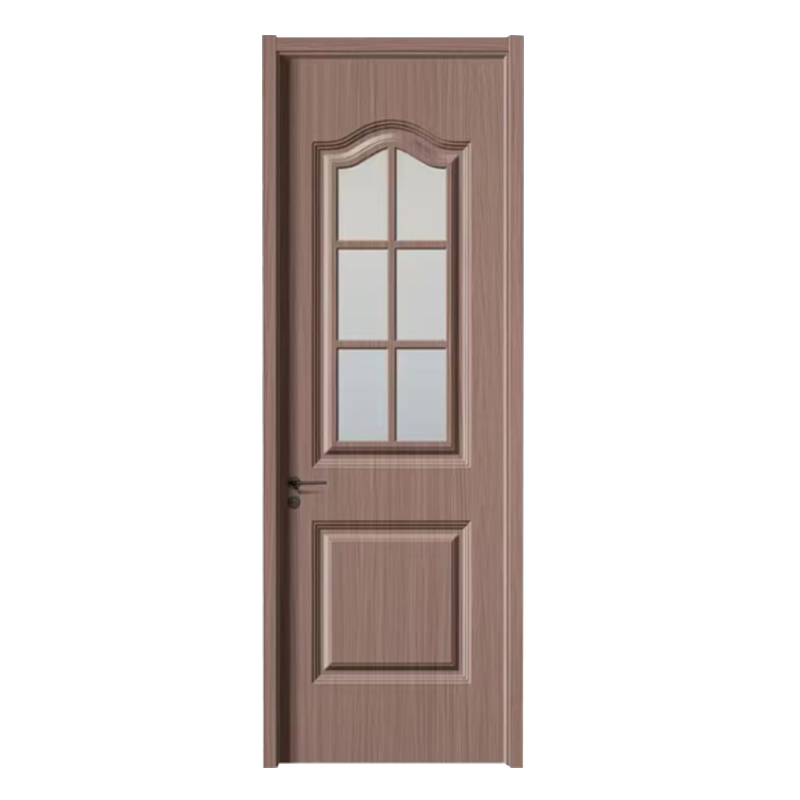
WPC Glass Panel Interior Door
This is the most common type for residential use. The door features a solid WPC frame and stiles with one or more glass panels — typically in the upper half. Frosted, etched, or patterned glass is often chosen for bathrooms and bedrooms to allow light while maintaining privacy. Clear glass is popular for living areas and open-plan spaces to keep a connected, spacious feel between rooms.
WPC Glass Exterior Entry Door
Designed to handle full outdoor exposure, WPC exterior glass doors are built with thicker WPC profiles (typically 45mm to 68mm) and use double-glazed or laminated safety glass. They often include weatherstripping seals around the perimeter, a multi-point locking system, and an aluminum or stainless steel threshold at the bottom to prevent water ingress. The WPC frame is UV-stabilized to resist color fading from direct sun exposure.
WPC Sliding Glass Door
WPC sliding glass doors are popular for balconies, patios, and room dividers. The door panels slide along a track system rather than swinging open, which saves floor space. The WPC frame holds large glass panels — typically tempered safety glass — and the entire assembly runs on a heavy-duty aluminum or stainless steel track with nylon rollers for smooth, quiet operation.
WPC Bi-fold Glass Door
Bi-fold WPC glass doors consist of multiple panels connected by hinges that fold against each other when opened, stacking neatly to one side. This configuration is ideal when you want to fully open a wide doorway — such as between a living room and a garden terrace — and is a stylish, modern choice that maximizes the connection between indoor and outdoor spaces.
WPC French Glass Door
The WPC French door style features two door panels that open from the center, each panel containing a large glass area divided by thin WPC muntins or glazing bars. This style has a classic, elegant look that suits traditional and contemporary interiors alike, and is a popular choice for dining rooms, studies, and garden access points.
WPC Glass Door vs Other Door Materials: A Comparison
To understand where WPC glass doors fit in the market, it helps to compare them directly with competing materials:
| Feature | WPC Glass Door | Solid Wood Glass Door | Aluminum Glass Door | uPVC Glass Door |
| Moisture Resistance | Excellent | Poor | Excellent | Excellent |
| Thermal Insulation | Good | Good | Poor (conducts heat) | Good |
| Natural Wood Appearance | Very Good (embossed grain) | Excellent | Poor | Moderate |
| Maintenance Required | Very Low | High | Low | Very Low |
| Termite Resistance | Excellent | Poor | Excellent | Excellent |
| Cost (Mid-Range) | Moderate | High | Moderate–High | Low–Moderate |
| Eco-Friendliness | Good (recycled materials) | Variable | Moderate | Low (non-recyclable) |
Glass Options for WPC Doors: What to Choose
The type of glass fitted into a WPC door affects safety, privacy, light quality, and thermal performance. Here are the most commonly used options:
Tempered Safety Glass
Tempered glass is heat-treated to be four to five times stronger than standard float glass. When it breaks, it shatters into small, rounded pebbles rather than sharp shards, significantly reducing injury risk. Tempered glass is a building code requirement for glass panels in doors in most countries and should be considered the baseline choice for any WPC glass door application.
Frosted or Acid-Etched Glass
Frosted glass has an opaque or translucent surface that diffuses light and blocks direct visibility while still allowing light to pass through. It is the standard choice for bathroom WPC glass doors and bedroom doors where privacy is needed without sacrificing brightness. Acid-etched glass offers a finer, more uniform frosted texture compared to sandblasted frosted glass.
Patterned or Reeded Glass
Patterned glass has textures or designs pressed into one surface during manufacturing — popular options include reeded (vertical ribbed lines), fluted, rain, and flora patterns. These add a decorative element while providing varying levels of obscurity, making them popular for interior WPC glass doors in living areas, offices, and hospitality settings.
Double-Glazed (IGU) Glass
An Insulated Glass Unit consists of two panes of glass separated by a spacer bar filled with desiccant and sealed with an inert gas (typically argon) between the panes. This construction dramatically reduces heat transfer through the glass, improving energy efficiency. IGU glass is standard in WPC exterior glass doors in climates with significant temperature variation and is also effective at reducing outside noise.
Laminated Safety Glass
Laminated glass consists of two glass panes bonded with a PVB (polyvinyl butyral) or EVA interlayer. If broken, the interlayer holds the fragments together, preventing them from falling out of the frame. This makes laminated glass the preferred choice for high-security applications, overhead glazing, and exterior doors in hurricane-prone areas.
How to Choose the Right WPC Glass Door for Your Space
With so many options available, selecting the right WPC glass door can feel overwhelming. Working through the following considerations in order will help you narrow down the best choice:
- Determine interior or exterior use: This is the first and most important distinction. Exterior WPC glass doors must have thicker profiles, weatherseals, secure locking hardware, and double-glazed units. Interior doors can use thinner profiles and single-pane glass, and don't require weatherstripping.
- Assess your privacy requirements: For bathrooms, ensuites, and bedrooms, choose frosted, acid-etched, or patterned glass. For hallways, living areas, and offices, clear or lightly patterned glass works well. For front entry doors, consider decorative obscure glass that adds curb appeal while limiting direct sightlines into the home.
- Consider the door's swing direction and space constraints: In tight spaces, a sliding WPC glass door or bi-fold configuration may be more practical than a hinged door that requires clearance to swing open. Measure the available floor space carefully before committing to a door type.
- Match the finish to your interior style: WPC glass doors are available in a wide range of colors and surface textures. Wood-grain embossed finishes in teak, walnut, oak, or mahogany tones suit traditional and warm interiors. Smooth matte or gloss painted finishes in white, grey, or black suit contemporary and minimalist spaces.
- Check the WPC density and profile thickness: Higher-density WPC (above 0.9 g/cm³) is stronger and more resistant to impact and surface denting. For exterior and high-traffic applications, look for door profiles with a minimum thickness of 45mm. For standard interior doors, 35mm to 40mm is typically sufficient.
- Verify fire ratings if required: In commercial buildings and some residential applications, fire-rated doors may be mandatory. Some WPC glass door manufacturers offer fire-rated versions (typically FD30 or FD60) that use fire-resistant glass and specially formulated WPC compounds. Always confirm compliance with local building codes.
Installation Tips for WPC Glass Doors
Proper installation is critical to getting the full performance benefit from a WPC glass door. Even the highest-quality door will underperform if it's poorly hung or sealed. Here are the key points to keep in mind:
Check the Rough Opening Size
The rough opening in the wall should be approximately 50mm to 75mm wider and taller than the door frame to allow for shimming and squaring. WPC door frames are typically supplied as pre-hung sets (door slab already hung in the frame), which simplifies installation — the entire unit is leveled, plumbed, and fastened as one piece.
Use Appropriate Fixings
WPC material is denser than hollow-core doors but still requires the right fixings. Use stainless steel or zinc-plated screws to avoid corrosion. For hinge fixings into the WPC frame, pilot holes prevent splitting. If the door is heavy (common with glass-filled exterior doors), use three or more hinges rather than two to distribute the load and prevent sagging over time.
Seal Around the Frame for Exterior Doors
For exterior WPC glass doors, the gap between the door frame and the rough opening must be filled with low-expansion polyurethane foam and then sealed on the exterior face with a flexible paintable sealant. This prevents water infiltration and air leakage around the frame, which is critical for energy efficiency and preventing moisture damage to the surrounding wall structure.
Adjust Hinges and Hardware After Installation
Most quality WPC door hinges are adjustable in three dimensions (up/down, left/right, in/out). After the door is hung, check the reveal gaps around all four edges of the door — they should be even and consistent (typically 3mm to 4mm). Make small hinge adjustments until the gaps are uniform and the door opens, closes, and latches smoothly without binding.
Caring for and Maintaining Your WPC Glass Door
One of the biggest selling points of WPC glass doors is how little maintenance they require compared to solid wood alternatives. That said, a small amount of regular care will keep the door looking and performing its best for decades.
- Clean the WPC frame: Wipe the frame down with a soft cloth dampened with mild soapy water every few months. Avoid abrasive cleaners, scouring pads, or solvent-based cleaners, which can dull or damage the surface finish. For stubborn marks, a diluted all-purpose cleaner works well.
- Clean the glass panels: Use a standard glass cleaner and a microfiber cloth to clean the glass. For frosted or patterned glass, avoid using abrasive cloths that could scratch the textured surface. Cleaning in circular motions prevents streaking.
- Check and lubricate hardware annually: Apply a small amount of silicone-based lubricant (not oil-based, which attracts dust) to hinges, latch mechanisms, and lock cylinders once a year. For sliding door tracks, keep the track clean of debris and apply silicone spray to the rollers.
- Inspect the seals on exterior doors: Check the weatherstripping seals around the perimeter of exterior WPC glass doors annually. Compressed or cracked seals should be replaced to maintain weatherproofing and energy efficiency. Replacement seal strips are widely available and easy to fit.
- Avoid prolonged direct heat exposure: Although WPC is heat-resistant, placing highly reflective surfaces (like mirrors or metallic objects) near a WPC glass door in a position that could focus or concentrate sunlight onto the frame is not recommended, as localized extreme heat can cause surface discoloration over time.
With this level of care — which amounts to no more than an hour or two of attention per year — a quality WPC glass door should maintain its structural integrity and appearance for 20 to 30 years or more, making it an excellent long-term investment for any home or commercial building project.


